


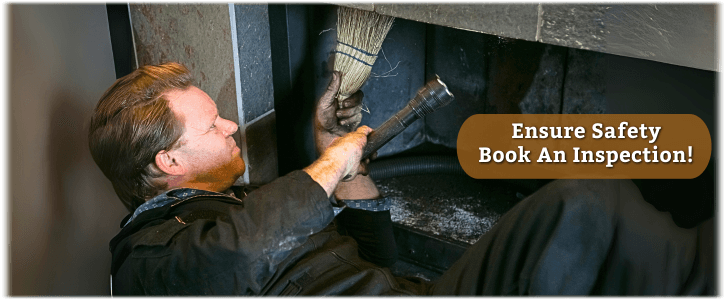
Preparing for fireplace use often begins with chimney inspection in Austin, TX, especially when homeowners want clear answers about safety and performance. Because Central Texas brings humidity, sudden temperature changes, and long periods of inactivity, chimneys face stress year-round. Small issues can develop quietly inside the system. A professional inspection helps identify concerns early and supports confident homeownership.
Why Chimney Inspection in Austin, TX Matters
A thorough inspection evaluates structure, airflow, and venting conditions. Over time, heat, moisture, and residue affect internal components. Therefore, routine checks reduce fire risk and prevent unexpected problems. With Austin chimney inspection services, homeowners gain insight into their system’s condition before issues escalate.
Homes in areas like Hyde Park, Circle C, Mueller, and South Congress often feature different chimney designs. Older masonry systems face different challenges than newer builds. As a result, local knowledge plays a key role in accurate evaluations.
What Happens During a Professional Chimney Inspection
Inspectors examine accessible areas of the chimney and venting path. They look for blockages, structural wear, and airflow restrictions. In addition, they assess how well the system directs smoke outside. Each step focuses on safety and reliability.
After the inspection, homeowners receive clear explanations. We outline findings in simple terms and discuss practical next steps. This approach helps families plan maintenance without confusion or pressure.
Common Issues Found in Austin Chimneys
Moisture-related damage appears frequently due to Austin’s humidity. Residue inside the flue can trap moisture and accelerate deterioration. Consequently, inspections often reveal liner wear, masonry gaps, or venting concerns.
Fireplaces that sit unused for months also develop problems. Debris, nesting materials, or airflow restrictions may go unnoticed. Chimney inspection in Austin helps uncover these hidden issues before seasonal use resumes.
How Inspections Protect Your Home
Regular inspections support safety and efficiency. Blocked or damaged flues increase smoke backup and fire risk. Cracks allow heat and gases to reach surrounding materials. Therefore, early detection plays a critical role in home protection.
Inspections also help homeowners prioritize care. Some concerns need immediate attention, while others can wait. This clarity prevents unnecessary repairs and supports long-term planning.
More Than an Inspection
Many homeowners combine inspections with other chimney services to keep systems reliable. During seasonal visits, some also schedule chimney cleaning to remove buildup. Others address fireplace cleaning for improved airflow inside the firebox.
When damage appears, fireplace repair restores safe operation. Some households also request dryer vent cleaning to improve appliance performance and reduce fire risk. Coordinating services helps protect multiple systems at once.
Local Experience You Can Rely On
Austin’s climate and home styles vary widely. Properties near Zilker differ from those in West Lake Hills or East Austin. Zip codes like 78704, 78745, and 78758 include both historic and modern builds. Trusted experts for chimney inspection in Austin understand these differences.
This local insight allows inspections to focus on real-world conditions rather than generic checklists.
Call (737) 277-9717 today to schedule chimney inspection in Austin, TX, and gain peace of mind before fireplace season begins.
Frequently Asked Questions
How often should a chimney be inspected?
Most homes benefit from an annual inspection, even with limited fireplace use.
What problems can an inspection uncover?
Inspections can reveal blockages, structural wear, airflow issues, and moisture-related damage.
Is chimney inspection important for Austin homes?
Because climate and usage patterns vary, chimney inspection in Austin, TX, helps ensure safe and reliable fireplace operation.
Protect your home by booking chimney inspection in Austin, TX, today and address potential issues before they become costly problems.